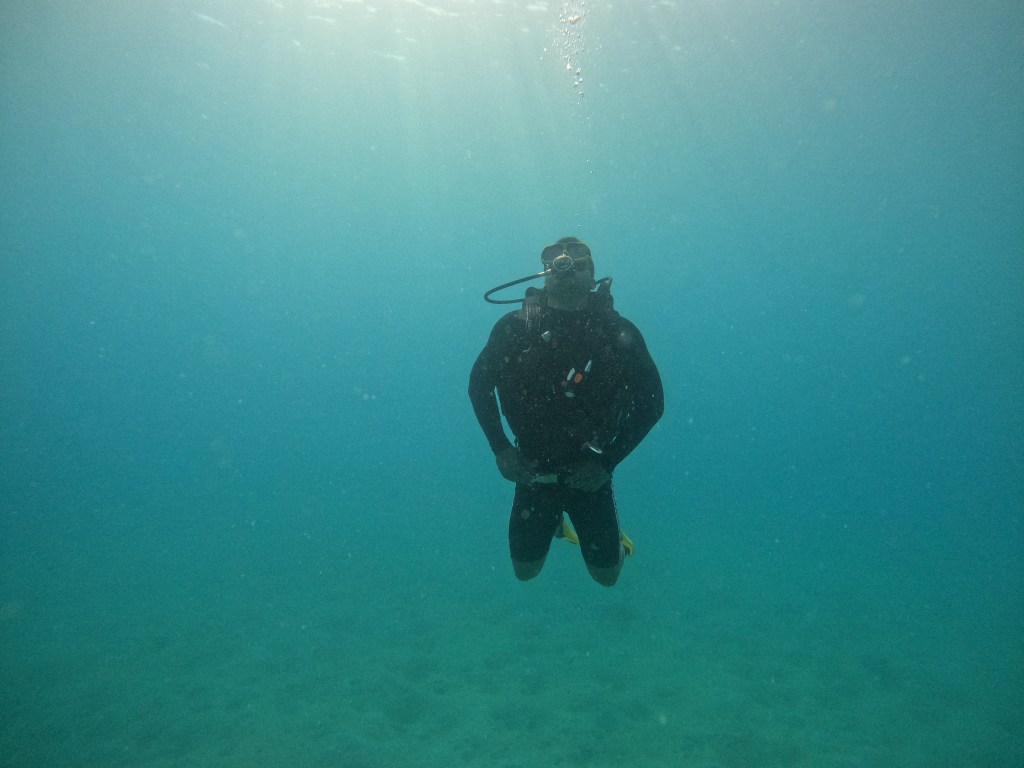
1) Calm Under Pressure

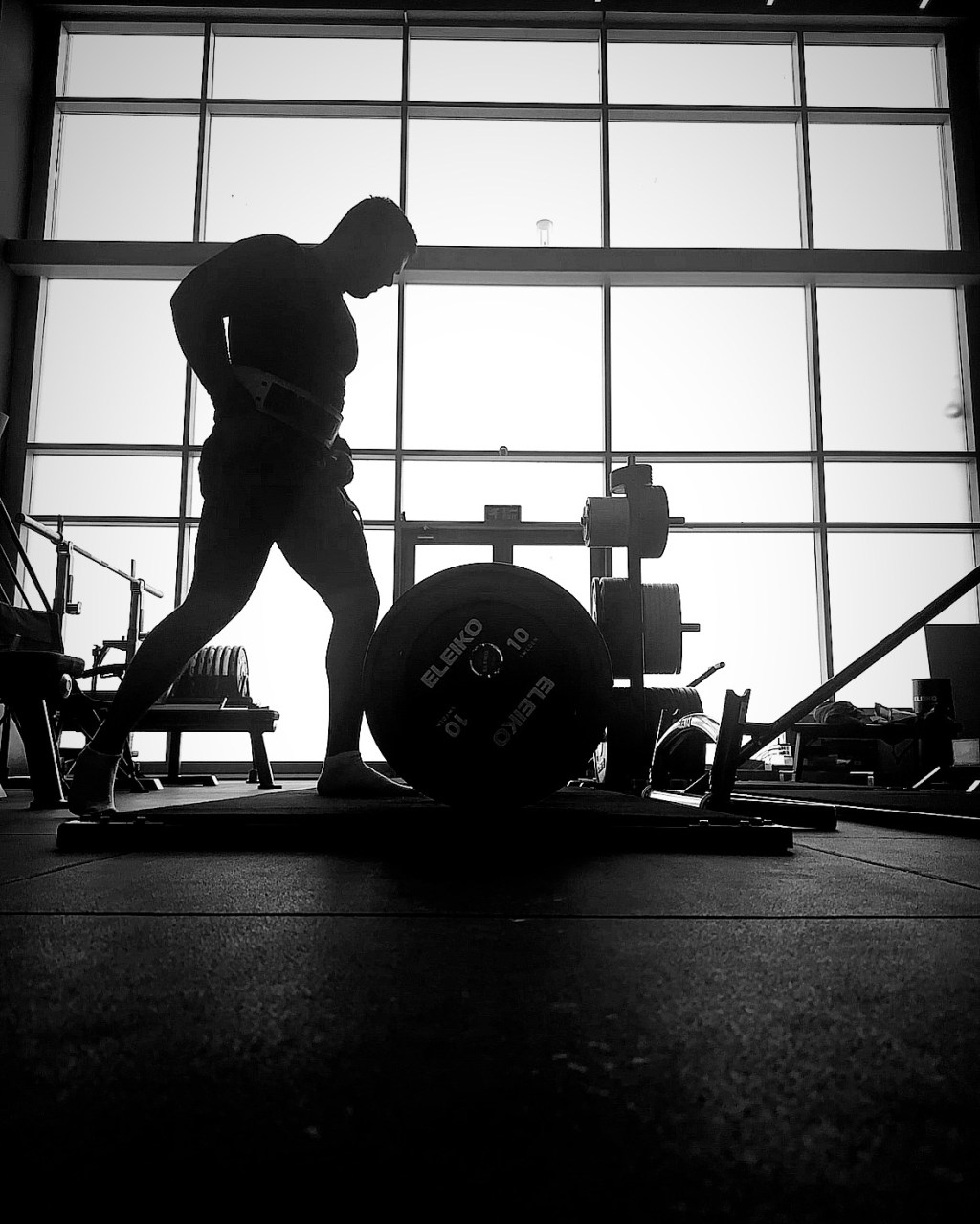
It was a warm evening, and I was midway through a training session at a packed gym when phones began buzzing across the room. Conversations stopped. The televisions switched to Al Jazeera. Multiple warheads had been launched toward Qatar.
The mood shifted instantly. People rushed to leave, calling loved ones and heading home.
I paused, grounded my thoughts, and stayed.
Once the initial noise settled, the situation became clearer. The likelihood of escalation beyond signaling was low. Statistically, the risk of getting into an accident on the drive home was higher than staying where I was. With that clarity, fear lost its urgency.
2) Fear as a Learned Response
I wasn’t always this way. I didn’t grow up calculating odds under pressure. Coming from a South Asian background, fear was often part of everyday life. There was constant urgency always rushing, always reacting , yet rarely arriving anywhere with clarity.
Water became the fear I couldn’t ignore. In my early years, the ocean felt like a behemoth. The images of the 2004 tsunami were impossible to forget — entire coastlines erased in moments, replayed endlessly on television. Large bodies of water came to represent threat rather than exploration.
In 2022, I decided to confront that fear directly. I believed fear thrives where systems are absent. With training, preparation, and a controlled supply of air, drowning was no longer inevitable — it became a risk that could be managed.
3) Execution Begins After Control
Signing up at a dive center quickly showed me that this wouldn’t be straightforward. There was a certification process, and then the persistence required to get through it. What usually takes a weekends took me six weekends.
The theory came easily. The water didn’t. I failed the swim test. After clearing that, I struggled underwater — regulator recovery, mask clearing — moments where vision disappeared, breathing felt disrupted, and instinct took over. It wasn’t technical difficulty as much as confronting fear in real time.
What I began to understand was that fear peaks early. In those first moments, the body wants to escape.
If the mind can be slowed — even briefly — the process takes over.Breathing, sequence, repetition.
That pattern is familiar to anyone who has led teams or programs under pressure: stabilize first, then execute. Over time, the panic softened. I eventually earned the certification. It was an achievement, but it also felt incomplete — as if this was only the beginning.
4) Mastery and Purpose
Over time, the experience began to change.
Adversity has a way of bringing people together, and diving makes that visible.
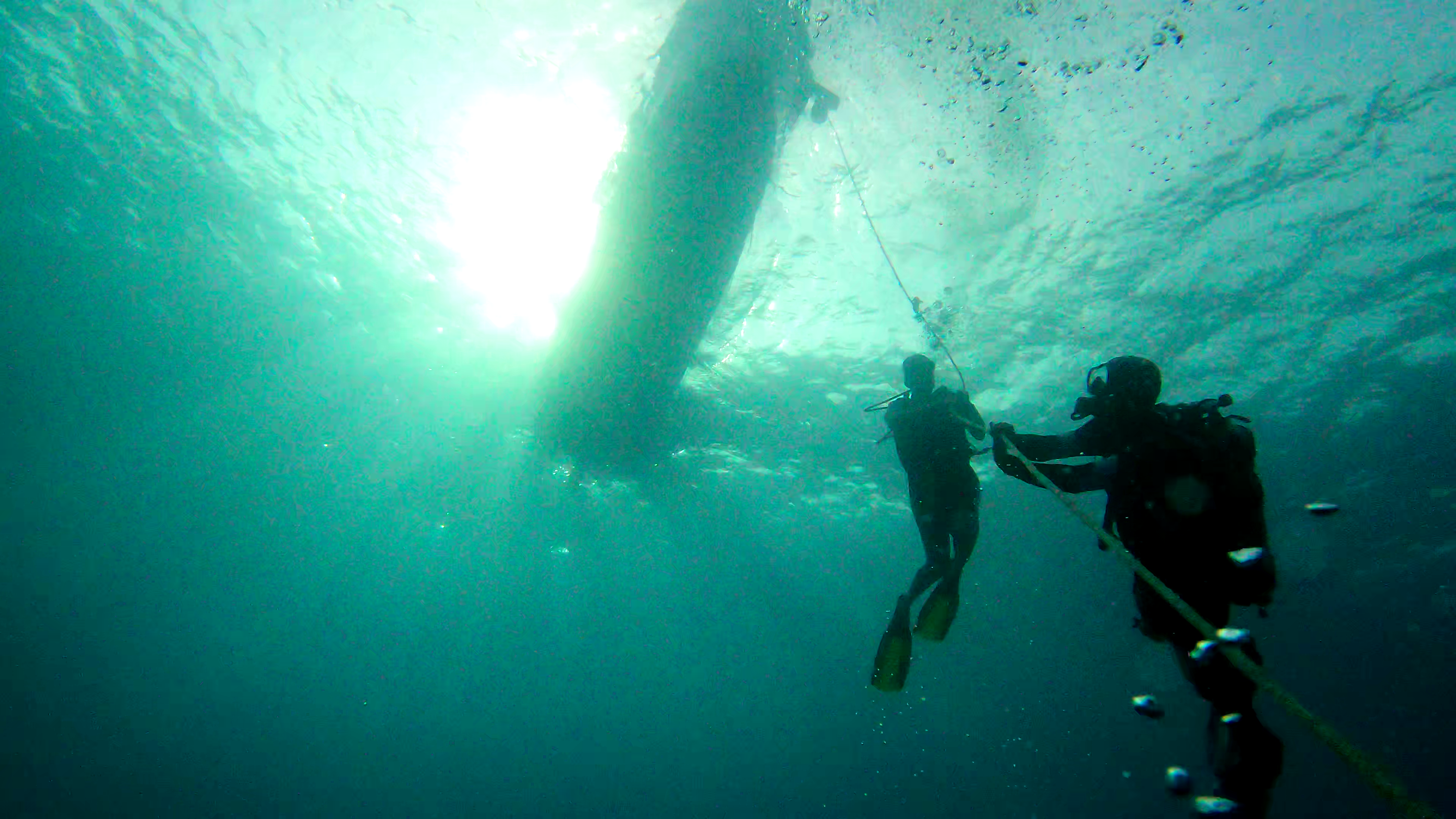
Every dive depends on people working quietly in the background — divemaster’s, safety leads, rescue teams — all focused on one outcome: that everyone surfaces safely.
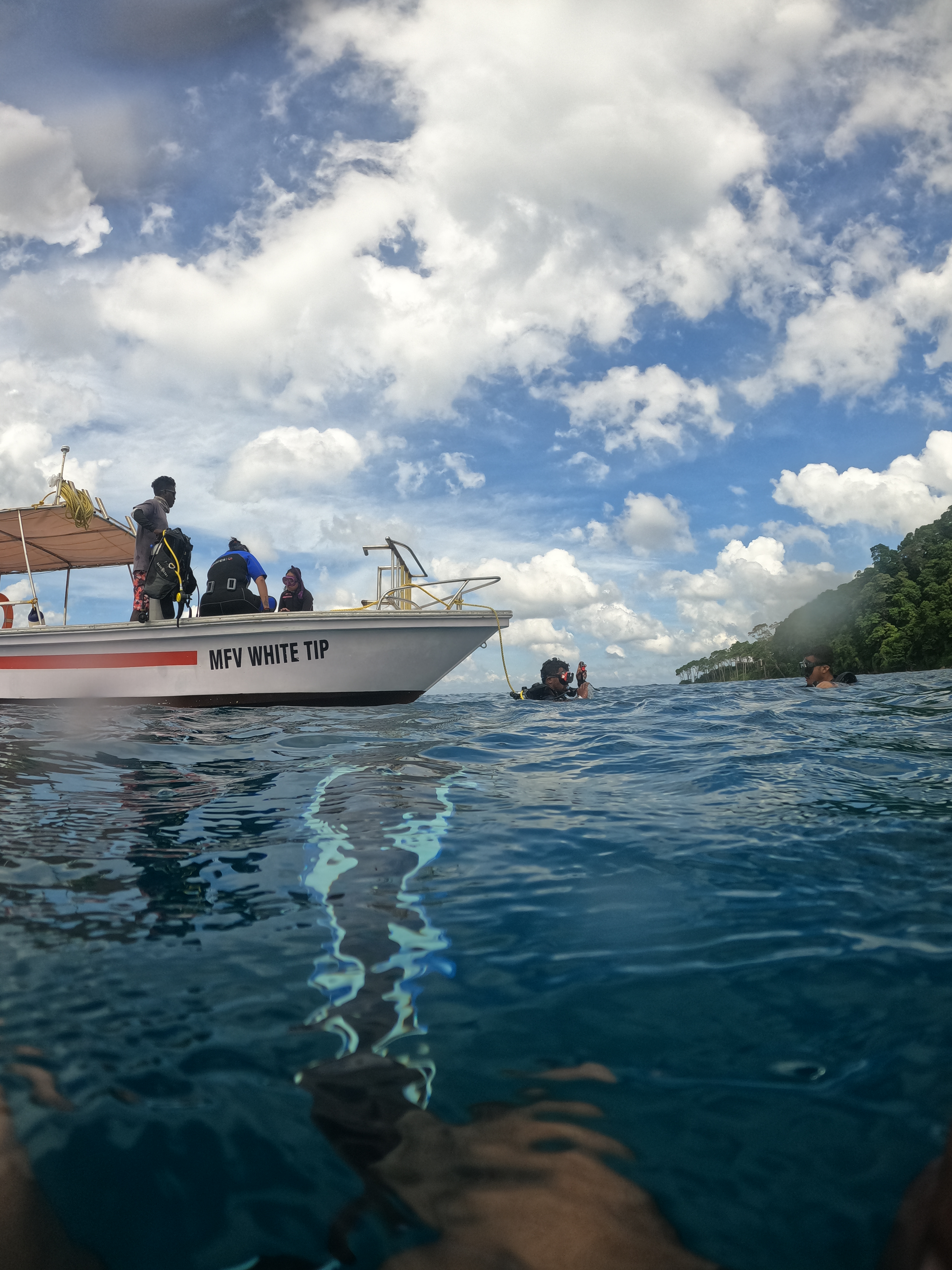
I’ve dived in multiple locations around the world, and what stands out isn’t depth or difficulty, but the community. The coordination, shared responsibility, and discipline behind each dive are what make the environment navigable. As I write this, I’ve completed over seventy dives. None of that would have been possible without trust — in systems and in the people who sustain them. What began as a personal confrontation with fear gradually became something broader: an appreciation for structure, stewardship, and responsibility. Underwater, sustainability is no longer an abstract idea. You see directly what is fragile, and what depends on care rather than control.
5) Ocean Conservation — Seeing What’s Fragile
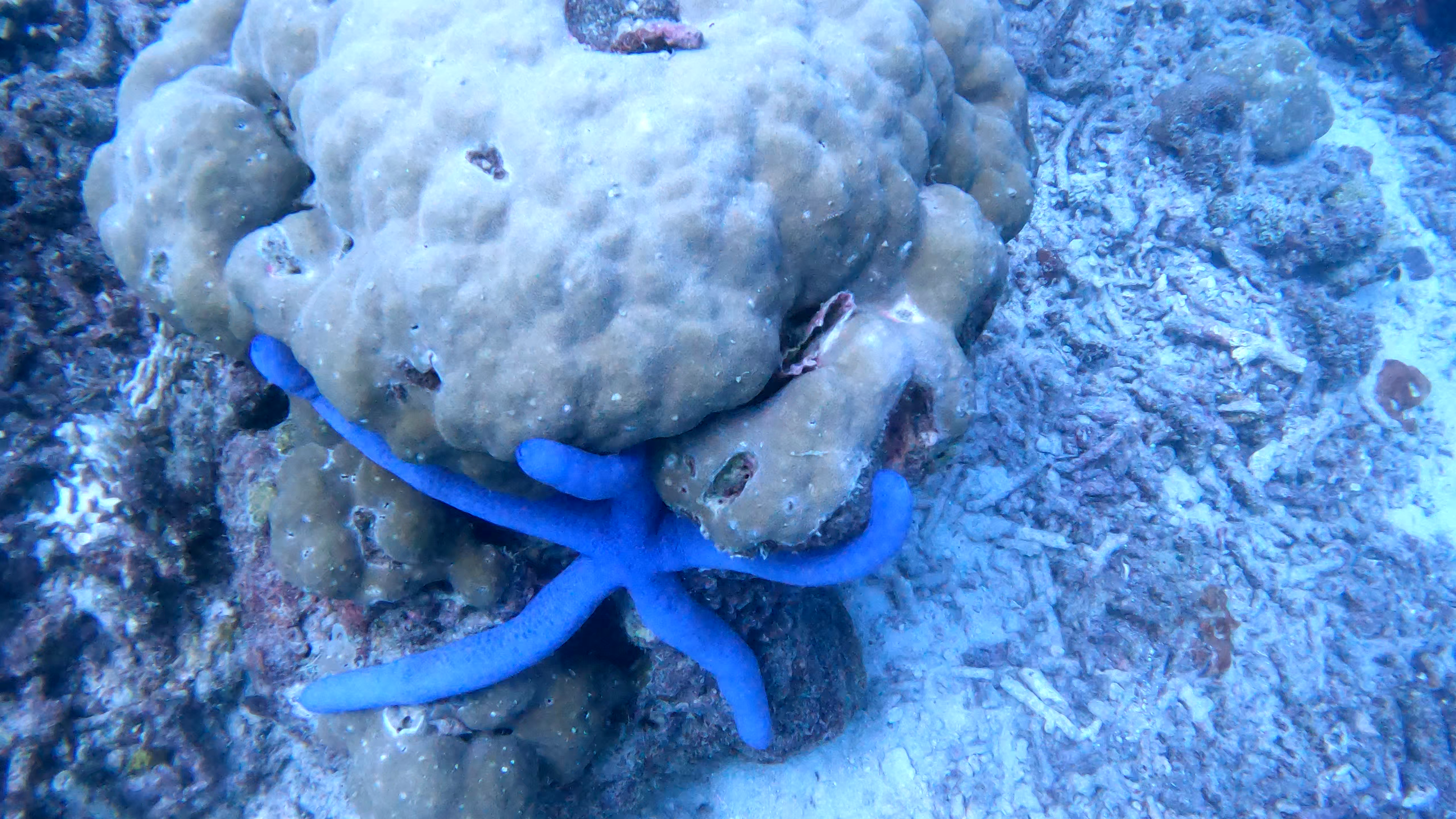
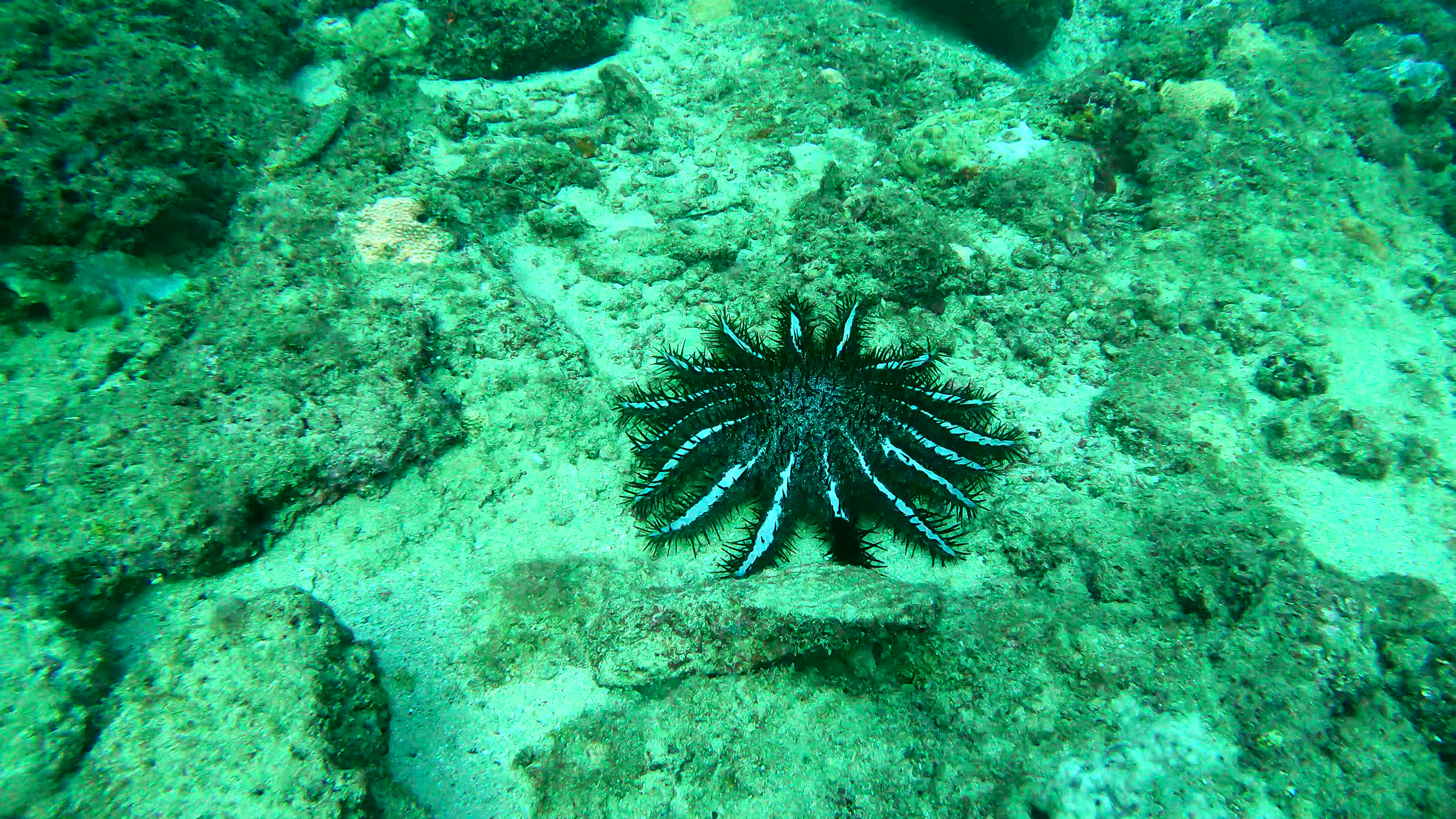
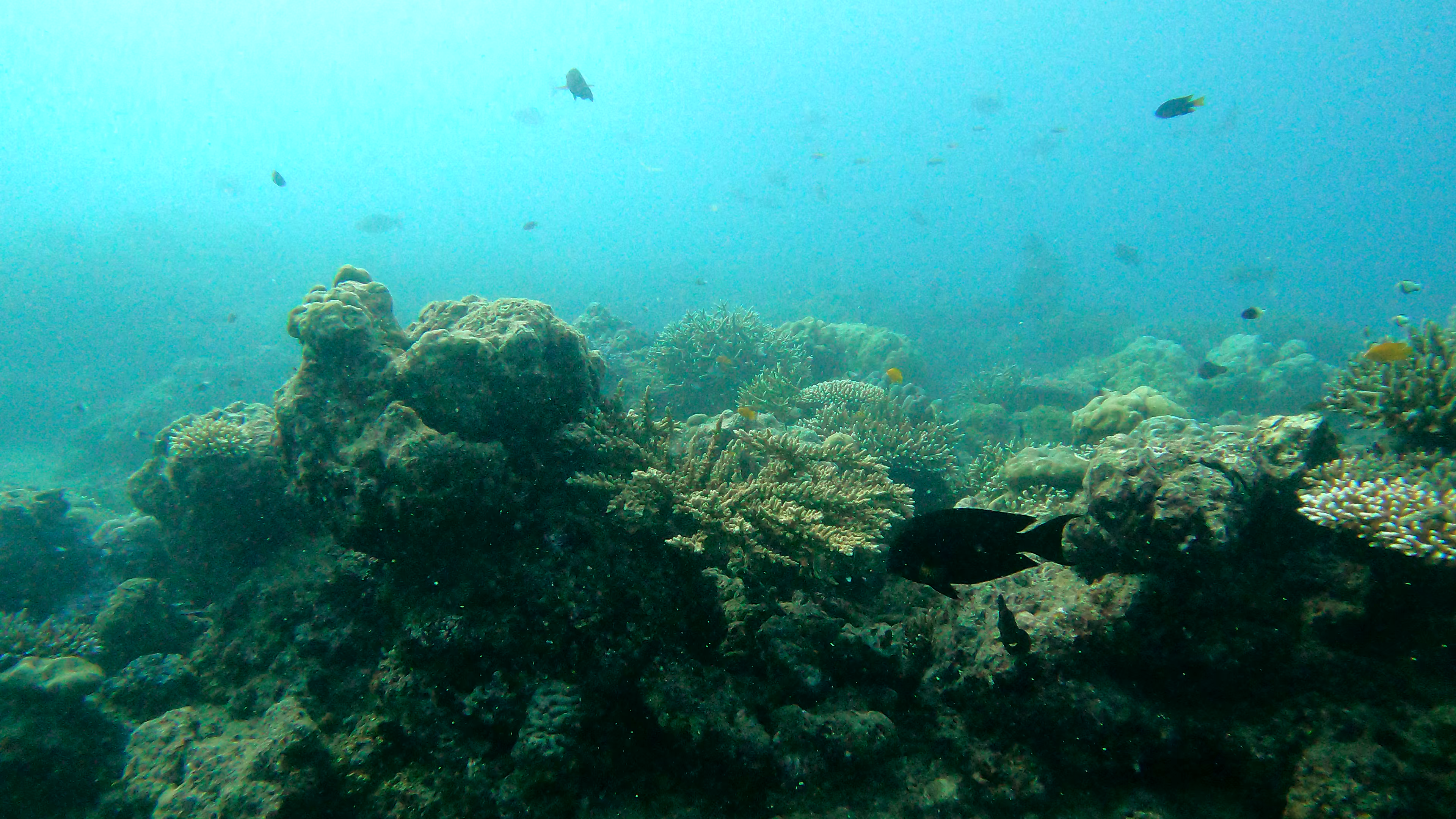
Spending time underwater changes how you understand conservation. It stops being theoretical. You see reefs under stress, marine life adapting to pressure, and ecosystems that depend on balance rather than force. Damage isn’t dramatic — it’s gradual, cumulative, and often invisible from the surface.
What stays with me is how sensitive these systems are to small disruptions. Anchors placed carelessly, waste drifting with currents, careless contact — none of it looks catastrophic in isolation, yet the impact compounds over time. Underwater, stewardship becomes practical rather than ideological. Respecting limits and following protocol aren’t optional — they’re the difference between preservation and degradation.
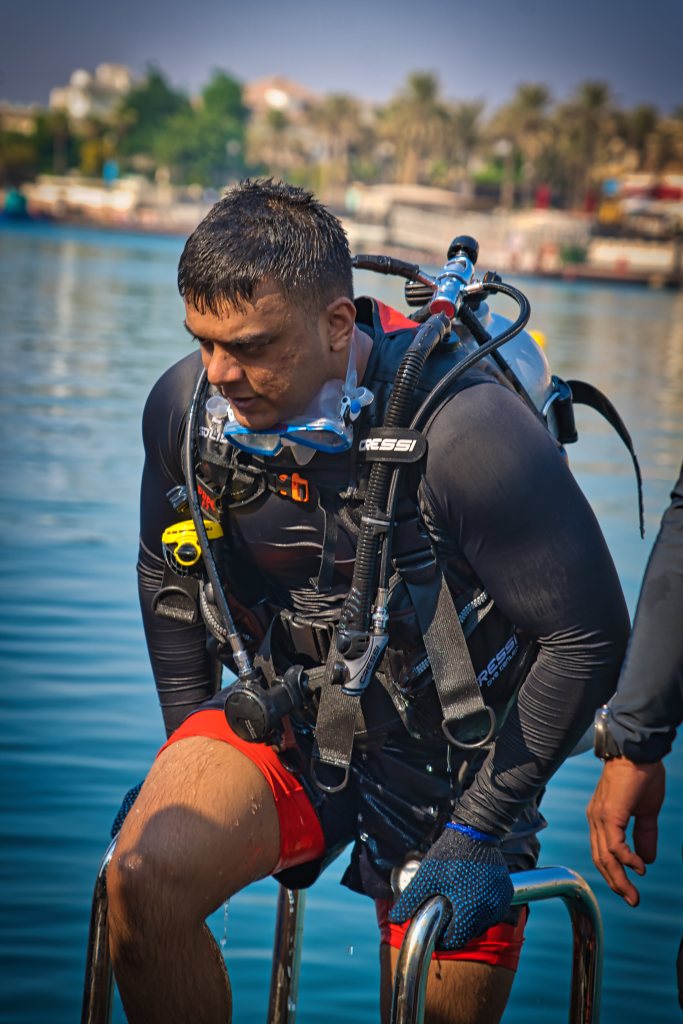

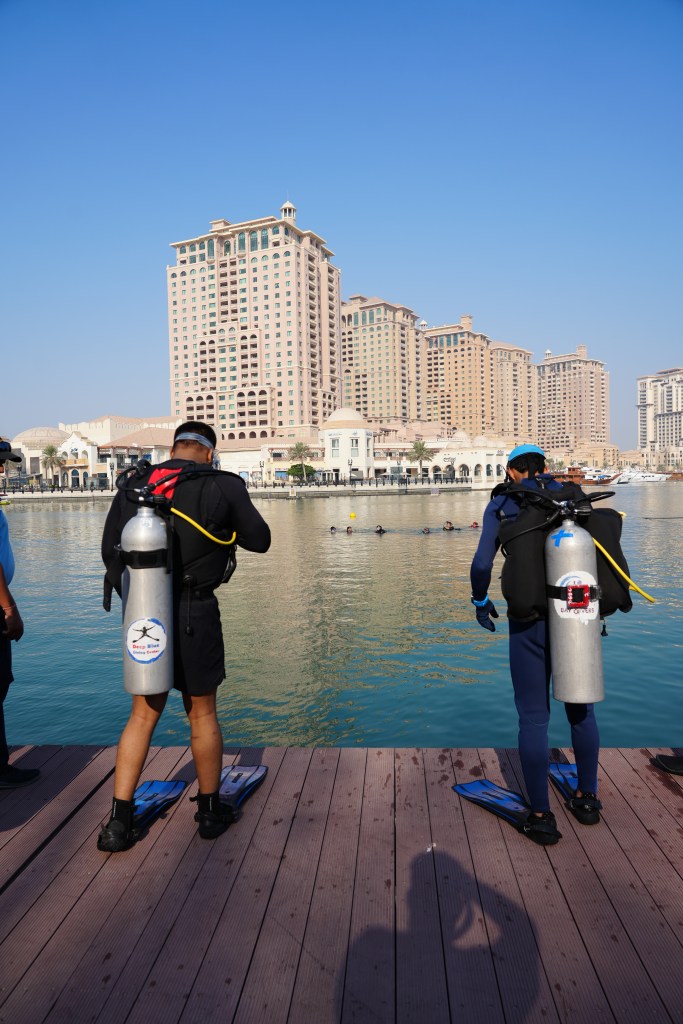
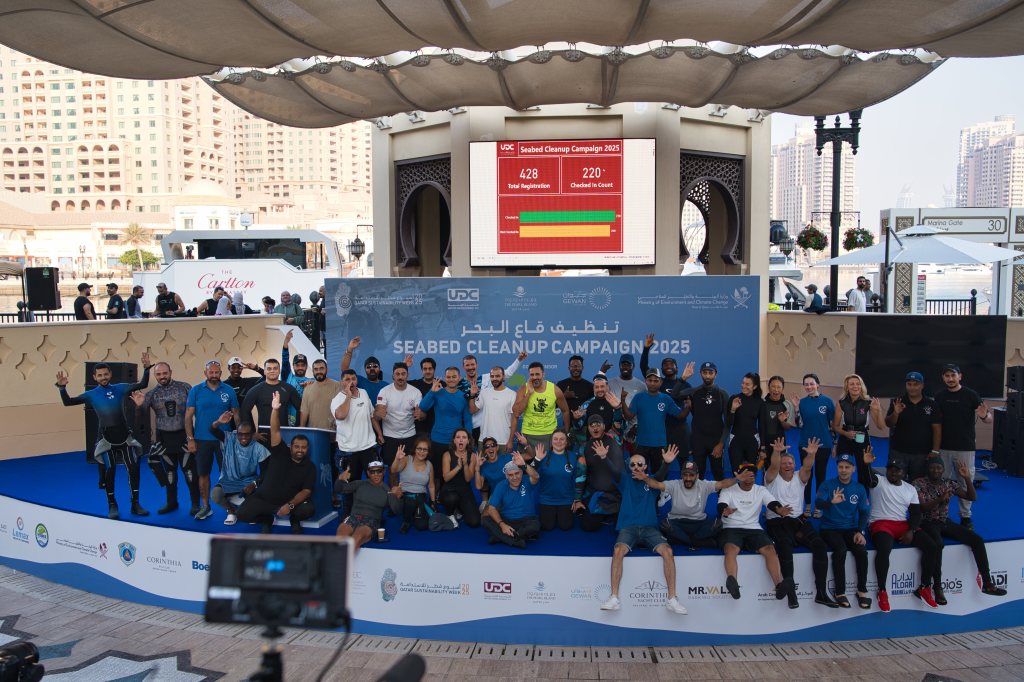
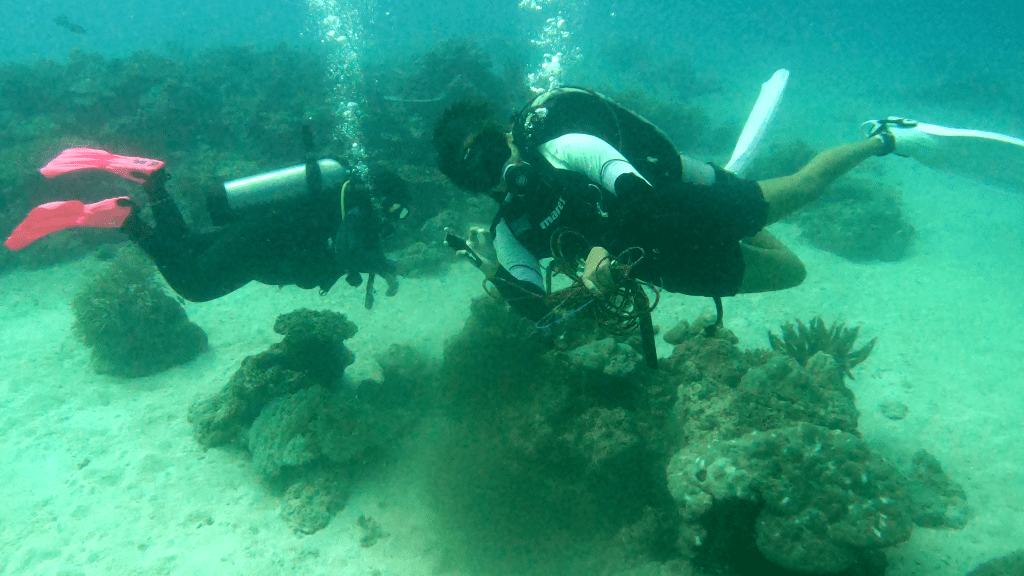
That perspective carries forward. Sustainable systems, whether environmental or organizational, don’t survive through intensity. They survive through discipline, restraint, and people who understand that long-term outcomes depend on everyday decisions made quietly and consistently.
6) Conclusion
I’m now working toward my rescue diver certification. In that role, calm matters more than confidence. Panic underwater is rarely technical , it’s emotional. I recognize it because I’ve been there myself.
Guiding someone through those moments isn’t about authority. It’s about slowing things down, helping them breathe, and restoring order one step at a time. When that happens, fear loosens its grip.
That approach didn’t stay underwater. Over time, it became how I move through pressure in general.
I don’t rush to react. I pause, steady myself, and look for what can be controlled. Not because it’s impressive but because it works



 Aswin Paraprath